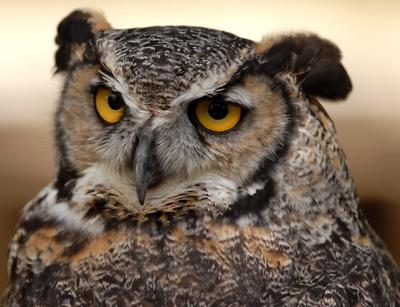
CANADIAN ANIMALS
Here are some of the common Canadian animals that are found in this area of Southern Ontario. For more information on each animal, just click on the highlighted word to take you to a new page
You can see more reports of animal sightings on
our Facebook page
Discover Southern Ontario on Facebook!
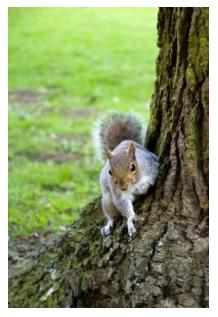
As an immigrant from England’s industrial north-west, I have always delighted in the Canadian animals that I found here in Ontario, especially in seeing the Squirrels that are common in this area.
We see lots of Grey Squirrels, which have both Black and Grey types, and there is occasionally the smaller Red Squirrel.
The Flying Squirrel is found in the Carolinian forest in Southern Ontario and because of the shrinking of its habitat of mature hardwood (oak, maple & beech) it has been designated as a Rare Species.
These shy, nocturnal, creatures have a membrane stretched between their wrists and ankles, and a tail that acts as a rudder.
Have any of our readers seen the elusive White Squirrels of Southern Ontario?
If you have, let us know when and where you spotted one - you can tell us about it by clicking on the link above.
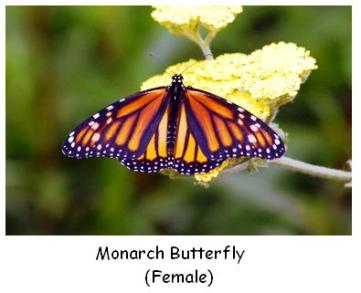
When I first came to live here in Southern Ontario, I saw the strange sight of millions of Monarch Butterflies as they slowly flew past me in a swirling cloud of orange and black.
I was mesmerized and hoped to see the phenomenon again, however, it was several years before I witnessed a similar sight.
These butterflies were gathering in large groups on the north shore of Lake Erie, as they waited for the right weather conditions to begin their fall migration to their wintering grounds.
We have had several reports from our readers, of sightings of Big Cats in Southern Ontario, which you can read here. The first was sent in by James who told us of his Lynx in Winter article, and another reader from St Catharines spotted something she thought might be a Lynx, which you can read here in her article
Lynx or Something close spotted in St Catharines.
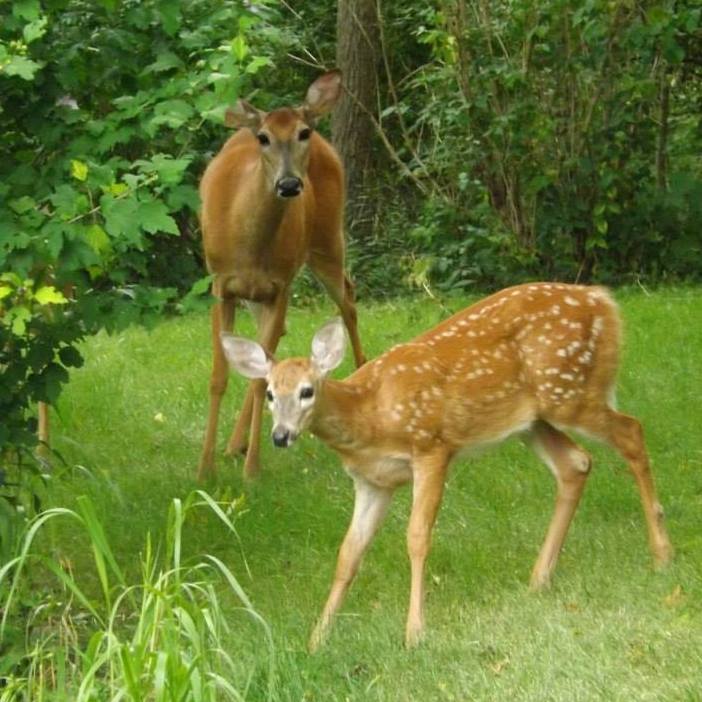
In this area of Elgin County there seems to be an over-abundance of White Tailed Deer and I am assured by my son-in-law, Dave (the intrepid Hunter) that they are not endangered Canadian animals!
This doe with her twin fawns was photographed in our orchard at dusk one evening. She was really curious and didn't seem concerned at all that we were watching them.
On our hobby farm we see them frequently and I am always pleased to see the graceful does making their way across our garden to the river to drink.
My hubby, on the other hand, is not quite so delighted to see them! Apparently they have eaten vast quantities of corn and green beans from our vegetable garden and destroyed large numbers of branches from our apple trees!
Nevertheless, I enjoy seeing them in the mornings and it is a wonderful way to start my day!
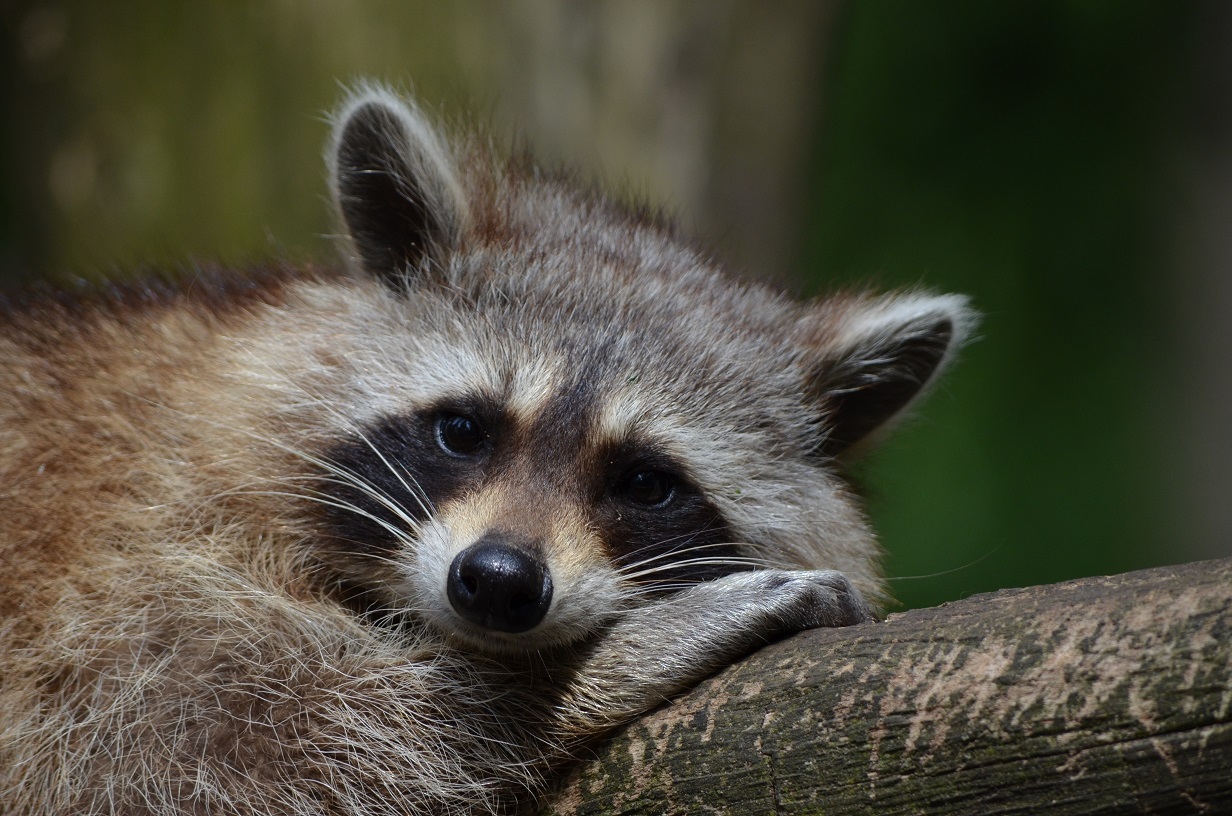
Before I came to live in Ontario, and learned more about Canadian animals, I thought that Raccoons were cute little bandits, and truth be known, I still do.
However, I have learned that they can be destructive and have been known to tip our garbage cans over and party late into the night, spreading refuse as they go!
They will also damage houses as they try to find a cozy attic or garage in which to spend the winter, so many people resort to trapping and killing them.
Raccoons can be trapped and relocated using a live trap, available from your local T.S.C. store, in Ontario.
One of the Canadian animals that is not very popular with humans or other animals, is the Skunk - there are lots of them in this area and the main thing to remember is Don’t tangle with ‘em! Stay away!
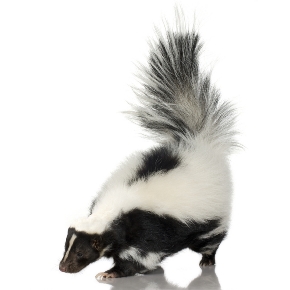
If you, or your pet, does get sprayed by a skunk, try using Tomato juice to get rid of the smell – you don’t drink it, you bathe in it!
In this picture you can see a mother Skunk out with her babies.
Occasionally we see skunks around our farm and now and again we suspect they are around because our lawn has been dug up as they like to eat the grubs that infest lawns and gardens.
Occasionally, it is necessary to trap and re-locate a Skunk, which you can do using a live trap available from the TSC store (in Ontario).
Some of my favourite Canadian animals in this area are the Bats which entertain us with their acrobatic displays in the evenings during late spring and summer.
Just as the sun begins to set, the Bats come out to play - they swoop and dive around us as they feast on mosquitoes and other flying insects.
To be honest, they don't ever keep still, so it is impossible to identify the species of bat that we are seeing near our home!
In this area of Southern Ontario the most common are the Little Brown Bat, the Eastern Pipistrelle, the Hoary Bat and the Big Brown Bat.
The Big Brown Bat is the most widespread in this area of Ontario, however, we do see some of the other species also.
Some of these bats hibernate during the winter, although some of these cute Canadian animals are known to migrates to the southern part of their range for the winter.
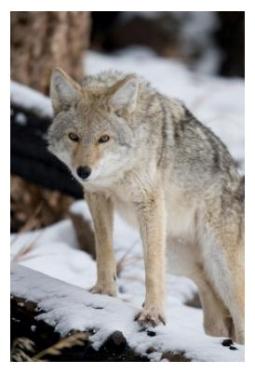
We know that there are Coyotes in this area, but I have only seen two in the St Thomas area in the past ten years.
They seem to stay away from populated places and confine themselves to rural areas.
My daughter, who lives north of London, hears them too and occasionally sees small packs of them on the farm where she lives, although they are Canadian wilderness animals.
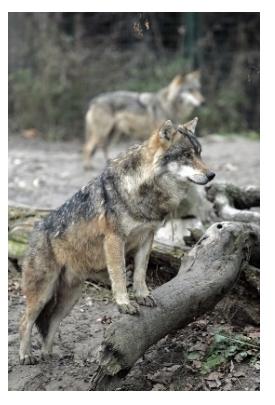
In the past couple of years my daughter tells me that, in addition to hearing Coyotes howling at night, they have started to hear Wolves.
Although Wolves are more common in the North, there are Wolves living and thriving in Southern Ontario.
There are sightings now and again, of Wolves around the London area as a few individuals or small packs have made their way into Southern Ontario in recent years.
In Ontario there are two types of Wolves - the Grey Wolf (Canis lupus) and the Eastern Canadian Wolf (Canis lycaon), both of which are only protected in 3% of their habitat.
According to the site Wolves-Ontario.com, there has only been one documented case of healthy wild wolves killing a human in North America.
It is believed that these animals had lost their fear of humans and were accustomed to them. By comparison, domestic dogs attack 3 million and kill 20 people each year.
Wild, non-socialized, wolves fear humans and are rarely seen and avoid human habitation.
When I first arrived here in Ontario from England in the 1970's, a neighbour of mine told me that she had Groundhogs in her vegetable garden.
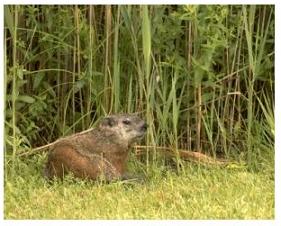
I had never seen one and envisioned a huge, pig-like animal roaming through the neighbourhood gardens, snorting and eating everything in sight!
Imagine my delight when I saw my first Groundhog!
They are cute, herbivores who look a little like a beaver without the flat tail.
These rodents, the largest members of the Squirrel family, dig burrows and live underground. They are found all across Canada, except Newfoundland.
For those people who live outside of North America, who may not know that this little rodent actually has a special day named after him - February 2nd is "Groundhog Day". Legend says that if the groundhog comes out of his burrow on that day and sees his shadow, then there will be six more weeks of winter! Well, here in Southern Ontario we don't need a rodent to tell us that!
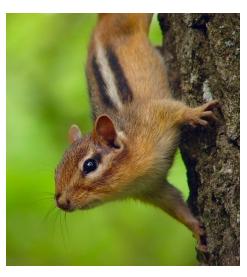
I know that Chipmunks are delightful little Canadian animals, although they are not too common.
The little fellas are so cute, but, sadly, the only ones we see here are the ones caught by our cat.
If you know a way to attract Chipmunks to somewhere that cats can’t catch them, please let me know.
Rabbits are abundant here and they are prolific breeders. They have their babies in burrows underground.
Occasionally we find baby bunnies in a fur-lined depression in the ground and these are baby Hares.
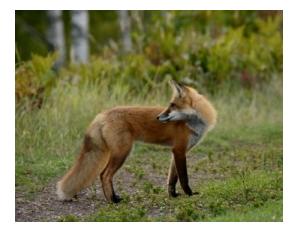
The Red Fox is alive and well and living very successfully in this area.
We have a small flock of hens and ducks and we always make sure that we lock our poultry in the barn at night, or else we’ll lose a few to either the Foxes, Coyotes or Raccoons.
Foxes seem to have also adapted well to urbanization and can sometimes be seen flitting silently around housing subdivisions when the unsuspecting residents are sleeping.
Here, in the countryside, we see them now and again, but our friends who live on the outskirts of town, tell me that they see them occasionally too.
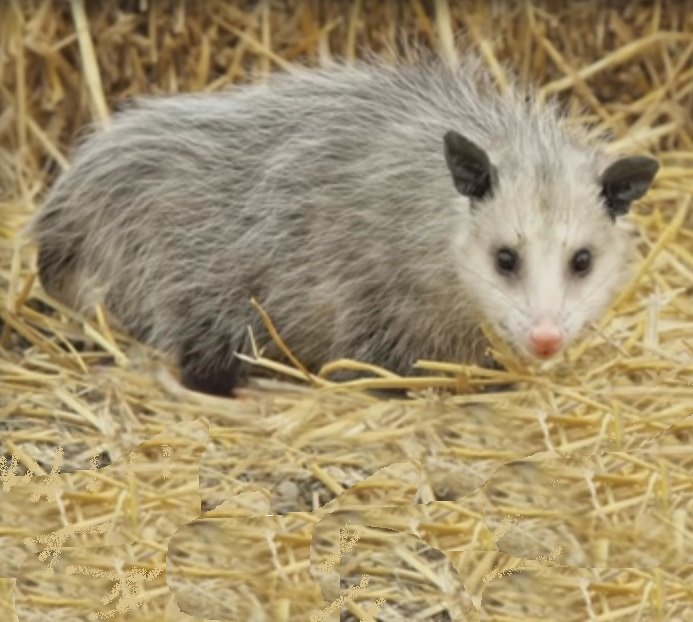
By all accounts, there should not be any Opossums anywhere near Southern Ontario, as they are native to the Southern United States, and not Canadian animals at all.
However, in the past few decades, some poor unsuspecting Possums have taken a nap on a stationary train somewhere in the Southern States, and woken up on the Canadian side of the border, with no way to get back.
These reluctant immigrants settle close to the US border, breed and manage quite well in their first summer here – THEN WINTER COMES, that’s when times get really tough for these warmth-loving marsupials.
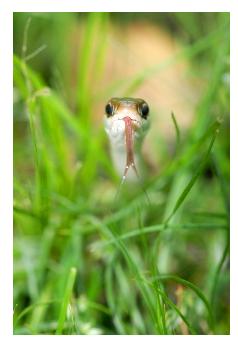
The Garter Snake aka Grass Snake, is fairly common in this area and is harmless – no bite, next-to no venom (scarcely enough to slow down a mouse), so nothing to worry about.
Garter Snakes and cold blooded reptiles and love to bask in the sunshine, and they also seem to like the warmth of our composter (we try to compost whatever we can). A couple of times each summer I find a snake skin in there, that has been shed by a passing snake.
Occasionally, I am startled by a Garter Snake while I am gardening, but they seem to have a "live and let live" attitude, and we keep out of each others way!

has lots of information to help identify snakes in Ontario.
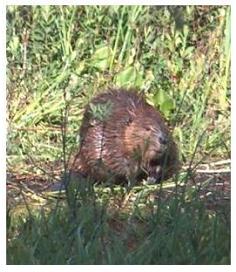
One of the animals which most people think of when they think of Canadian animals, is the Canadian Beaver.
When the first European explorers and settlers came to this country, they found Beavers in abundance - up to 200 million of them across the continent!
Over the years of being hunted for their fur, their numbers dwindled, but are now back up to a healthy 10 - 15 million across North America, including Canada.
Its hard to believe today, but the Beaver was hunted so enthusiastically to satisfy the European fashion for Beaver Top Hats! Yes, the pelts were used for fashionable gentlemen to wear on their heads.
Thank goodness we no longer trap and kill these little animals for their fur.
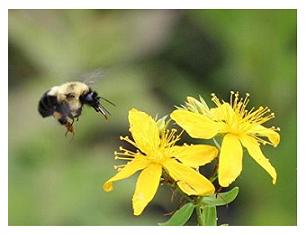
One of the Canadian animals around here which is easily overlooked, yet is vital to our economy, is the busy Honey Bee. These little insects are important for the pollination of our crops - Apples & Pears, Squash & Potatoes, as well as supplying us with their delicious Honey.
Without them our food supplies would dwindle and and crops would fail, so it is important that we protect these little fellas from pesticides and pollution.
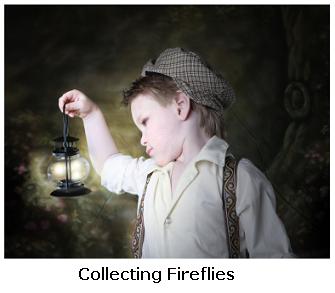
During late Spring and Summer, we often see an amazing sight across Southern Ontario.
Just as it becomes dusk, the Fireflies come out, and as our eyes adjust to the darkness, these tiny little luminescent beetles start to flash and glow.
Tens of thousands of them emerge from the long grass of our meadow, and they start to fly around the trees and bushes, flashing to attract their mates.
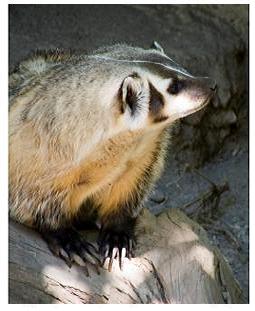
The North American Badger is on of the Canadian animals considered Endangered Species here in Southern Ontario, with only an estimated 200 individuals remaining.
These mammals, with their strong legs and long front claws, are expert diggers and often the only evidence of their existance, is when a farmer finds a sett (their burrow).
They are true Omnivores and will eat small mammals, ground nesting birds, amphibians, and also plants and seeds.
The photograph of the Raccoon on this page is reproduced by kind permission of Ken Douglas
The photographs of the Beaver and Bee on this page are reproduced by kind permission of Kaye Edmonds
Do you have a favourite animal of Southern Ontario?
Do you have a great story about an animal of this area? Have you perhaps spotted a rare animal in the area?
Are you an expert on the animals of Southern Ontario?
Share your knowledge - we would love to feature your information and pictures on our site!
Remember to make your submission a minimum of 100 - 200 words and tell us when and where you saw the animal, the time of day, and if possible, what you observed them doing.
Just think, the next animal featured on our site could be YOURS!
What Other Visitors Have Said
Click below to see contributions from other visitors to this page...
A Flying Squirrel 
Yesterday morning when I opened my front door to let my cats in, I saw that one of them had caught a small animal and left it on the porch for me.
When …
Mystery Moth
On my front porch this morning there was a beautiful large green moth and I’m not sure what type of moth it is.
Could it be a Luna Moth?
Does anyone …

I Love Raccoons!
One beautiful summer night I was sitting quietly and still on my front patio.
Along came a raccoon. He was large and when he saw me, he walked absolutely …
Mink spotted on Lake Ontario shoreline
I was riding my bike along the waterfront trail in Mississauga when a small, black, furry animal darted out and looked frightened by my approach.
It …
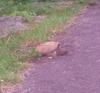
Tortoise spotted in Dundas, Ontario
I was walking with my brother on the "rail trail" in western Hamilton near Dundas, Ontario, and came across a beautiful animal.
We were on our …
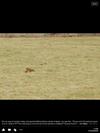
Can anyone identify this?
My cousin's family spotted this animal while driving in the country.
Thanks for the picture, Paulina.
I'm not sure, because the animal is so far …
Ferrets or weasels on Lake Simcoe
We were able to observe at least two small creatures which appear to be weasels, in the mornings between 7 and 11 am diving (disappearing) into the lake …
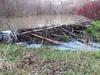
The Beavers Have Taken Over
We have a creek called Fletcher's Creek here in North West Brampton that currently has a very large Beaver dam built across it.
The dam is now …
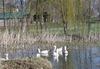
A Sad Story
All our Geese are dead, last night finally the Fox was able to climb over the fence and he killed them all.
He ate from three of them, the others …
Deer, Beaver and Other Animals in North/West Brampton
We live in north/west Brampton and have seen Deer on many occasions and even right on the other side of our back fence(see pics).
The Deer don't seem …
What did I see?
Was it a Fisher?
A fast-moving animal, high in our willow tree was dropping willow bits at a great rate.
We live on a ravine in Etobicoke (Toronto). …
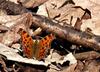
Butterfly
Announcing the new season at Crawford Lake, Halton, Ontario.
Do you know what kind of butterfly this might be?
I'm sure one of our readers will …
Flying squirrels
We have a family of Flying Squirrels living in our pine tree near Wasaga Beach, (Georgian Bay) Ontario.
We saw the Mom and the five babies.

Fishing with the Wife
My wife, Pam, caught this monster on a worm.
Why does she catch more and bigger fish than myself?
Wow, that's a great fish!
She could be just …
Wild Boar by Lake Simcoe
Driving home to my house just south of Island Grove on the shore of Lake Simcoe, I saw a short-haired grey animal cross the road in front of me, heading …
Dark Fox-like animal
Aug 21, 2011. Driving home along the Cambrian Road, northwest of Orillia, 9:30 pm.
I thought from a distance a Skunk was standing on the road - out …
Black with Brown Patches
I was canoeing on the Maitland River between Ethel and Brussels, Ontario, when I saw this animal at the rivers edge.
It's head was down, and when it …
Bullfrog in Backyard!
When I was walking in my backyard, I saw a huge Bullfrog in my pond, and I'm like "I have got to catch it!"
So I sneak up on it and take it into a box. …
Nature Watching in downtown Toronto
Well, I just wanted to share a fairly unknown spot in downtown Toronto that is truly magical.
The place is the park behind "Evergreen Brickworks". …
Chipmunks!
One summer day while feeding the Chipmunks, I forgot to close the screen door. Next thing I knew, there was a chippy in the house. I never really knew …
Ferrets in Southern Ontario
We live just outside of Hamilton, Ontario, and we live across from a creek and very close to a swampy area and grassland.
The other night at about midnight, …
Fox-Cat
On august 14th, 2010 my brother, sister in law and I saw what we thought (at first) were 2 young foxes.
We had just dropped my mom's friend off at …
Black Fox-like animal
Recently while driving near Gowganda in Northern Ontario, we saw what looked like a black Fox. It was not a Red Fox as its legs were way too short and …
Fox and Deer in the middle of Toronto
Tina, from Toronto, sent us this report of her wildlife sightings - Yup, believe it or not, my husband and I were jogging in a pretty major park system, …
Four Flying Squirrels
We observed four Flying Squirrels recently, at 22:00 hours on August 11, 2009
They were congregated around my bird feeder - some feeding on the sunflowers …
Eastern Milk Snake
This item was submitted by one of our regular contributors - thank you Paul, from Barrie, Ontario!
With our backyard backing onto a wetlands, …
Otters & Possums
Location: South Barrie, Ontario.
We have lots of animals such as Coyotes , White Tailed Deer , Foxes , rabbits, and others like that. What is more …
Vixen? 
This Red Fox has been resting in the same place, all day long, for the last 3 weeks.
Some windy days it is absent.
I am hoping it has a den nearby …
Eastern Fox Snake
My Grandparents have a hobby farm located in St Anns, Ontario, at this time the family is helping them fix up their barn.
Living in the walls is a …
Gotta Love My Job!
I work at a new housing construction site and have to admit, I'm in love with this site. I have a great range of wild life going past my model home even …
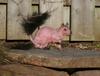
Naked Squirrel Not rated yet
This unfortunate squirrel met his demise in a recent winter storm.
The squirrel progressively lost it's fur over the summer months and into the autumn. …
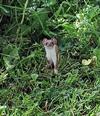
Weasel Not rated yet
We spotted a Weasel in our backyard, just outside St Thomas.
We have seen him in the summer with his brown and beige fur, and we also spotted him over …
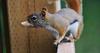
Red Squirrel Not rated yet
2022 was the first year I have seen Red Squirrels in my yard in Port Dover.
They look very similar to a chipmunk but are larger with a bushy tail. …
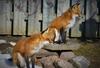
Red Fox Not rated yet
This pair of healthy Foxes enjoy our back yard and we see this pair often.
This particular day the pair played in the yard for about an hour.
…
Weird day in the hammer Not rated yet
Today I found a dead possum on a walk with my dog.
That's not too uncommon as I live near the train tracks.
But while walking near Bayfront Park …
The amazing Monarch migration! Not rated yet
Every year, the last generation of Monarch Butterflies born in the fall migrate to Mexico! Nobody knows quite why they do it or how they know it's …
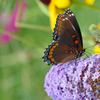
Butterfly Not rated yet
One of our readers wrote to us this past summer and sent us this beautiful picture and said ... I took this picture of this beauty in my butterfly / bee …
Animals Not rated yet
My wife, granddaughter and I had a sick fox living at the bottom our property in Napanee, the poor thing was suffering from mange.
Due to the illness …
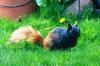
The Halloweeni Squirrel of West Shore! Not rated yet
Here are a few pictures I took in my backyard this past Friday the 13th of May, 2016, of the infamous HALLOWEENI SQUIRREL of West Shore, Pickering.
Ermine in Ottawa Not rated yet
On April 21, 2014, I photographed a stoat (Mustela Erminea) in the woods of Vincent Massey Park about 50 m north of Riverside Dr, across the river from …
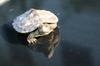
Juvenile Map turtle found wandering on our street. Not rated yet
This juvenile Map Turtle was found on our street.
I took the picture and took it to the creek at the end of our road.
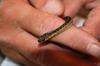
Juvenile Garter Snake takes a bath Not rated yet
I was working in my elderberries when this little fellow wiggled by.
I picked him up and noted that the posterior end had not shed.
I …
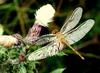
Norval Summer Animals Not rated yet
Marinus Pater, one of our long-time contributors, sent us these charming pictures of some of the animals he sees in his area - I hope you enjoy them! …
Bear in my backyard Not rated yet
Lake Skugog, Port Perry
July 3, approximately 7:00 pm
The bear was in my backyard, the dogs were luckily in the house at the time although we had …
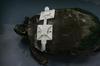
Mrs. Turtle has her home repaired! Not rated yet
Mrs. Turtle was run over by a car.
A concerned citizen brought her in.
It will take about 1 month for the "crack" lesion to heal.
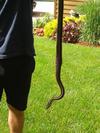
Port Ryerse Garter Snake and Ms. Snapper Not rated yet
On the weekend of June 1st, this large and beautiful Port Ryerse Garter Snake ate a pesky mouse.
You can see the swelling about 25% of the way down. …
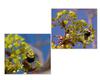
Bumblebee Not rated yet
We know they can fly, but not how.
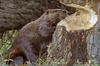
Beaver Not rated yet
I think beavers are interesting because they are good builders and they also are invasive because they destroy Ecosystems which then destroy every thing …
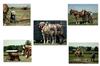
Horses in Plowing and Tillage Competition, in Georgetown Not rated yet
Reliving the past at the "Halton Plowing Match & Conservation Tillage Competition", in Georgetown, August 24 2012.
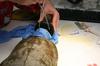
Mrs. Map Turtle Not rated yet
Map Turtle, full of eggs was found walking near Windsor Ontario, with only 3 legs.
The front right leg was missing the foot.
Sometimes, …
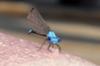
Damselflies Not rated yet
I took these pictures of Damselflies just outside St Thomas, Ontario, as they flitted and flew around our friends' swimming pool.
The Damselfly …
Wildlife Info Not rated yet
One of our readers sent us this report in reply to the submission from Jacqueline
Hi Jacqueline, I really enjoyed your story; thank you for writing …
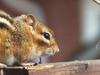
CHIPMUNKS Not rated yet
Keeping an eye on the food supply - various Chipmunks.
Not a bird Not rated yet
Not a real bird, still a great flyer, at Crawford Lake, Halton Region, a beautiful place to visit,any time of year.
Animals I have seen in Southern Ontario Not rated yet
Here are the wild animals I have seen in Southern Ontario:
Coyote - one outside Hamilton (running through a field with what looked like a chicken …
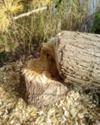
Evidence of a beaver in downtown Toronto? Not rated yet
I live in the middle of a big, busy city (Toronto) and I crave wilderness. I found a magical spot in the middle of the city (a reclaimed 100 year old quarry) …

Mrs. Map Turtle Swims Again Not rated yet
Here is Mrs. Map Turtle - Remember she was hit by a car a few weeks ago.
We have observed her floating and diving in my hospital tank for 2-3 days. …
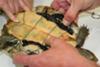
Map Turtle hit by car! Not rated yet
Mrs Map Turtle was crossing the road to lay her eggs and a car ran over her. We found 4 gravid eggs by the road. We placed a dot on the top of each egg, …
Uninvited Dinner Guests Not rated yet
We live in a small town outside of Windsor, Ontario, where we have taken on the responsibility of caring for a colony of cats.
Also included with this …
Spring Peepers!!!! Not rated yet
Last night while the sun was setting, it was great to listen to all the birds twitter away, but another familiar sound of spring entered the chorus.
…
Fox in Laurelwood Not rated yet
One of our readers says - I have seen a red Fox a couple of times now here, crossing Erbsville Road in Laurelwood, Waterloo.
Mostly early morning in …
Links to Canadian Animals ...
Link to list of resources for Canadian Wildlife Photos
A list of on-line resources where photos of Wildlife can be found, and purchased inexpensively
Canadian Animals Information
Canadian Wildlife Information Services
Problems with Wild Canadian Animals?
Is there something living in your attic? A squirrel nesting in your chimney? This site can help you with your Wildlife problem!
Wolves-Ontario site
Information about the wolf, one of the very special Canadian animals, special Wolf habitat and range, Wolf Myths, action to protect and preserve the two species of Wolves in Ontario. Please read and learn from this site, and encourage others to protect and preserve our unique Wolves.
Canadian Geographic for Kids
An interactive site for children that gives lots of information about "les animaux Canadiens", lots of facts about their habits and habitat

A charming story about an injured wild fox and its relationship with a kind, caring human friend
Канадські тварини, тварини в Онтаріо, Канада тварин, Animaux canadiens, des animaux de l'Ontario, les animaux du Canada, animales de Canadá, Animais canadenses, animais em Ontário, animais do Canadá, Kanadan eläimistä, Ontariossa, eläinten Kanada


Powered byIP2Location.com
Return to top of "Area Animals" page


If you enjoy this website, please consider making a donation to help us continue with this site!
Thank you!

Recent Articles


-
The City of St Thomas
Jan 22, 26 07:00 AM
-
Leamington, Ontario
Jan 20, 26 10:00 AM

-
Great Horned Owl in Whitby
Jan 19, 26 08:21 PM